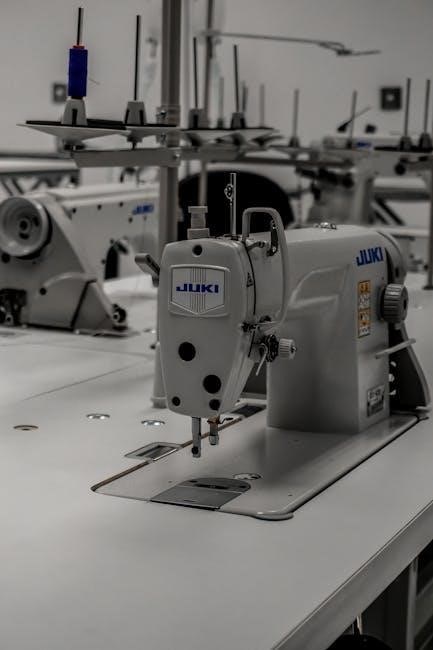
sewing machine user manual
Welcome! This manual guides you through your sewing machine’s features, ensuring a smooth and enjoyable sewing experience. It’s designed for both beginners and experienced users.
Our goal is to provide clear instructions, helping you unlock the full potential of your machine, whether it’s a classic Singer or a modern Meister model.
This resource covers setup, basic and advanced techniques, troubleshooting, and maintenance – all essential for successful projects and long-lasting machine performance.
Understanding the Purpose of this Manual
This manual serves as your comprehensive guide to operating and maintaining your sewing machine, regardless of brand – be it a vintage Singer Fashionmate or a Brother VX641. It’s designed to empower you with the knowledge to confidently tackle various sewing projects.
We aim to demystify the machine’s functions, from basic threading and stitch selection to advanced techniques like buttonhole creation and zipper insertion. This resource will help you navigate potential issues, offering troubleshooting steps for common problems like thread breakage or skipped stitches.
Ultimately, this manual ensures you maximize your machine’s capabilities and enjoy a fulfilling sewing journey.
Safety Precautions
Prioritize safety when operating your sewing machine. Always disconnect the power supply before threading, changing the needle, or performing any maintenance. Keep fingers away from the needle while the machine is running – serious injury can occur.
Never force the fabric; let the machine feed it smoothly. Use the correct needle type for your fabric to prevent breakage and potential hazards. Ensure the machine is stable and on a level surface during operation.
Keep the machine clean and free from dust and lint to prevent malfunctions and fire risks. Supervise children when near the machine.
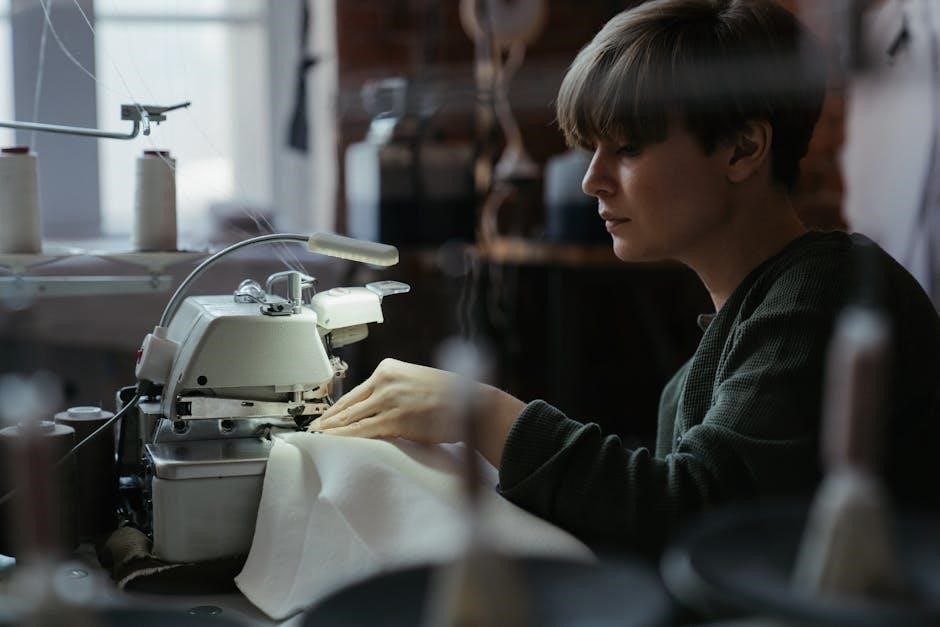
Sewing Machine Parts Identification
Familiarize yourself with key components! This section details the main body, bobbin winding system, needle assembly, and stitch controls for optimal use.
Main Body Components
The machine’s core structure houses the motor, internal mechanisms, and essential working parts. Key elements include the bed, providing a stable surface, and the arm, supporting the needle bar.
The faceplate covers internal components, while the handwheel allows manual control for precise stitching. Don’t forget the spool pin, holding the thread spool, and the bobbin winder, crucial for preparing the bobbin.
Understanding these parts is fundamental for operation and maintenance, ensuring smooth and reliable performance with every project.
Bobbin Winding Mechanism
Proper bobbin winding is vital for consistent stitch quality. The mechanism typically involves placing the thread spool on the spool pin and guiding it through tension discs.
Engage the bobbin winder by sliding it into position, then start the machine. The thread winds onto the bobbin until it reaches the desired fullness, automatically stopping.
Ensure correct tension and a smoothly wound bobbin to prevent issues like looping or uneven stitches. Regular checks maintain optimal performance.
Needle and Presser Foot Assembly
The needle and presser foot work in harmony to form stitches. The needle, securely clamped, penetrates the fabric while the presser foot holds it firmly in place.
Different needles suit various fabrics – universal, ballpoint, or denim needles are common choices. The presser foot is detachable, allowing for specialized tasks like zipper insertion or buttonholes.
Correct needle and foot selection are crucial for achieving professional results and preventing fabric damage. Always ensure proper alignment and secure attachment.
Stitch Control and Selection
Your sewing machine offers a variety of stitch options, selected via dials or electronic controls. These include straight, zigzag, and often decorative stitches. Understanding stitch length and width adjustments is key to achieving desired results.
Stitch length impacts durability, while width affects coverage. Experimenting with these settings allows for customization. Refer to your machine’s diagrams for specific control locations.
Proper stitch selection ensures optimal fabric handling and seam strength for each project.
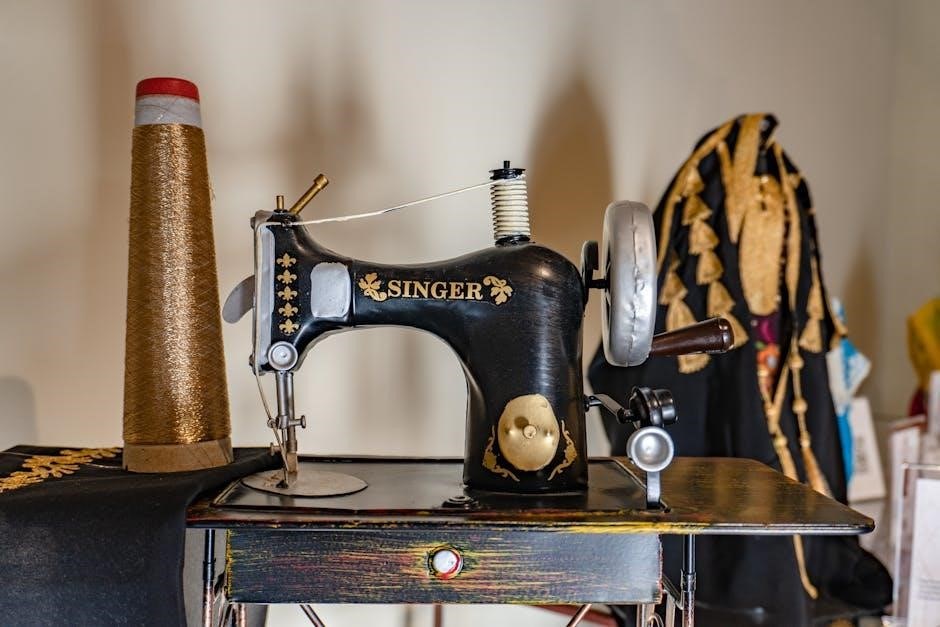
Getting Started: Basic Setup
Prepare for sewing! This section details essential steps: threading, bobbin winding and insertion, and needle threading – foundational skills for operation.
Threading the Machine
Proper threading is crucial for consistent stitch formation. Begin by raising the presser foot; this opens the tension discs, allowing the thread to seat correctly. Guide the thread from the spool, through the first thread guide, and then around the tension discs.
Next, lead the thread through the take-up lever, ensuring it’s securely positioned. Continue down to the needle bar, and finally, thread the needle from front to back. Incorrect threading can cause skipped stitches or tension issues, so double-check each step!
Winding the Bobbin
A correctly wound bobbin is essential for balanced stitching; Place the spool of thread on the spool pin. Guide the thread through the bobbin winding tension disc, ensuring it’s snug but not too tight. Then, attach the thread end to the bobbin, winding several turns by hand to secure it.
Engage the bobbin winding mechanism and press the foot pedal gently. Once full, the machine will automatically stop. Remove the bobbin and trim the thread end neatly for smooth feeding.
Inserting the Bobbin
Proper bobbin insertion ensures consistent stitch formation. Locate the bobbin case – it may be front-loading or top-loading, depending on your machine model. Open the bobbin case cover and insert the wound bobbin, ensuring the thread unwinds in the correct direction, as indicated by the diagram.
Guide the thread through the tension spring and then through the slot. Close the bobbin case cover securely. Draw up a few inches of thread before beginning to sew.
Threading the Needle
Correct needle threading is crucial for smooth operation. Raise the needle to its highest position using the handwheel. Follow the threading guide marked on your machine, typically involving several numbered points. Pass the thread through each guide, ensuring it seats firmly.
Finally, thread the needle from front to back. Pull several inches of thread through the needle eye before starting to sew, guaranteeing proper stitch formation.
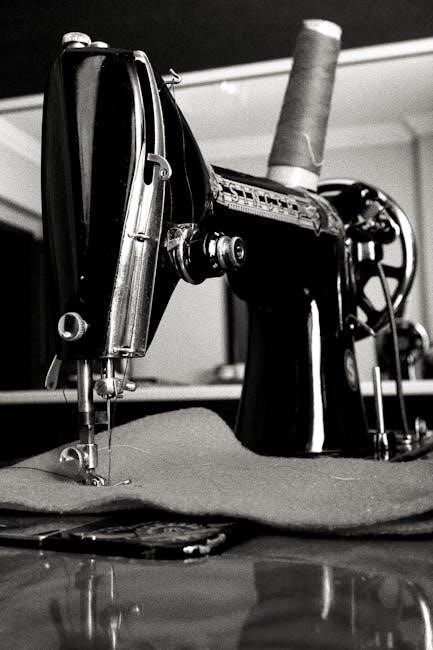
Basic Sewing Techniques
Mastering fundamental stitches is key! This section details straight, zigzag, and backstitching, alongside adjustments for stitch length and width, building your sewing foundation.
Straight Stitching
The cornerstone of sewing, the straight stitch creates a solid line for seams and topstitching. Select the straight stitch setting on your machine, typically indicated by a straight line symbol. Ensure your fabric is positioned correctly under the presser foot, aligning the edge with your desired seam allowance.
Begin sewing slowly, guiding the fabric gently; avoid pulling or pushing. Maintain a consistent speed for even stitches. Practice on scrap fabric to achieve a uniform seam. Straight stitching is vital for garment construction, quilting, and various craft projects, forming the basis for many sewing endeavors.
Zigzag Stitching
Versatile and adaptable, the zigzag stitch is ideal for finishing raw edges, creating decorative effects, and sewing stretch fabrics. Select the zigzag stitch setting, adjusting the width and length according to your project needs. A narrower width reinforces edges, while a wider width offers decorative potential.
Zigzag stitches prevent fabric fraying and allow for seam flexibility. Practice on scraps to master width and length control. This stitch is crucial for knit fabrics, buttonholes, and adding unique embellishments to your sewing creations.
Backstitching
Essential for secure seams, backstitching reinforces the beginning and end of each sewing line. After stitching a few stitches, engage the reverse lever or button to sew backwards over those stitches. This locks the thread, preventing unraveling during use and washing.
Consistent backstitching ensures durability. Release the reverse function and continue forward sewing. Repeat this process at the end of each seam. Mastering backstitching is fundamental for creating professional-quality, long-lasting garments and projects.
Adjusting Stitch Length and Width
Control your stitch appearance using the length and width dials. Stitch length determines the distance between stitches; shorter for delicate fabrics, longer for heavier materials. Width adjusts the zigzag’s breadth – narrow for straight stitching, wider for decorative or stretch applications.
Experiment with settings on scrap fabric to find the optimal combination for your project. Incorrect settings can cause puckering or weak seams. Refer to your machine’s guide for specific recommendations.
Advanced Sewing Techniques
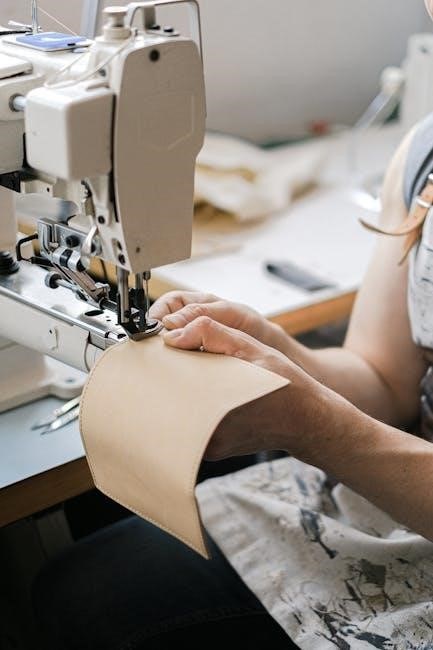
Expand your skills! This section explores techniques like buttonholes, zipper insertion, overcasting, darning, and mending for professional-quality results.
Buttonhole Sewing
Creating professional buttonholes requires understanding your machine’s specific buttonhole foot and settings. Begin by selecting the appropriate buttonhole stitch on your machine; consult your stitch guide for options.
Attach the buttonhole foot, and stabilize the fabric if needed. Carefully follow the markings on the buttonhole plate as you sew, pausing when indicated to adjust the stitch length or width.
Practice on scrap fabric first to perfect your technique. After sewing, carefully cut open the buttonhole, avoiding damage to the stitches. A properly executed buttonhole adds a polished finish to any garment.
Zipper Insertion
Inserting zippers can seem daunting, but with practice, it becomes a straightforward process. Begin by selecting a zipper foot – a specialized presser foot designed for sewing close to the zipper teeth.
Pin the zipper tape to the fabric, ensuring the zipper is partially open. Use a straight stitch, sewing close to the zipper coils, and adjust your stitch length for optimal results.
Backstitch at the beginning and end of each seam to secure the zipper. Practice on scrap fabric to master alignment and achieve a professional finish.
Overcasting Stitches
Overcasting stitches prevent fabric edges from fraying, creating a neat and durable finish. These stitches wrap the fabric edge, encasing the raw seam allowance. Select an overcasting stitch on your machine – often a zigzag variation.
Adjust the stitch width to fully cover the fabric edge. Practice on scrap fabric to determine the ideal settings for your material.
Maintain a consistent speed and guide the fabric gently to achieve a uniform overcast edge, enhancing the longevity of your sewn items.
Darning and Mending
Darning and mending extend the life of your garments! Utilize a darning plate (if available) to support the fabric. Lower the presser foot and select a zigzag stitch with a short stitch length.
Gently move the fabric back and forth under the needle, building up layers of stitching to cover the hole or worn area.
Secure the beginning and end of your stitches with backstitching for added durability, restoring your beloved items.
Troubleshooting Common Issues
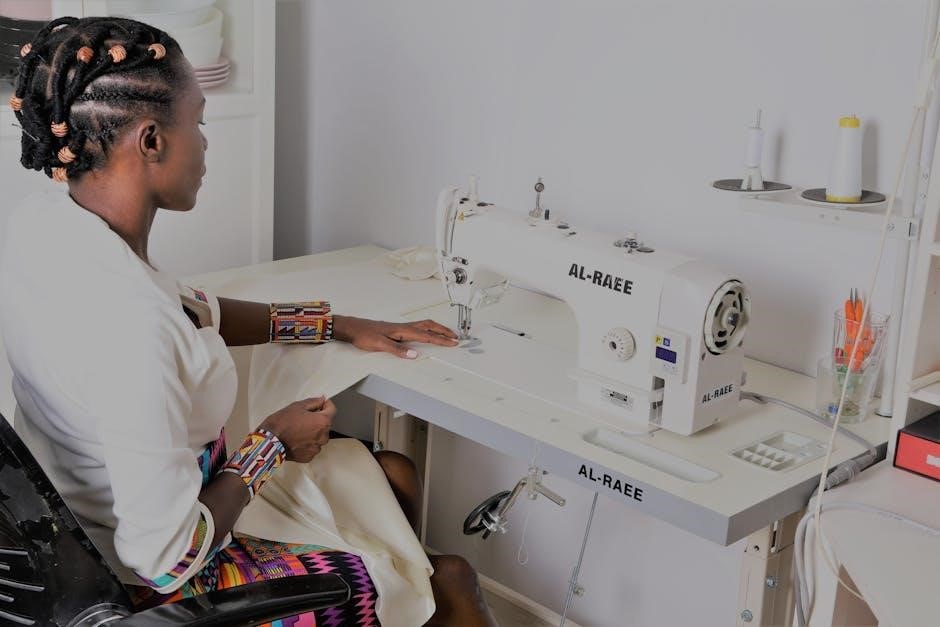
Facing problems? This section offers solutions for thread breakage, skipped stitches, needle issues, and machine jams – ensuring smooth operation and project success.
Thread Breakage
Frequent thread breaks can be frustrating! First, re-thread the machine, ensuring the thread is properly seated in all tension discs and guides. Use good quality thread appropriate for your fabric.
Check the needle; a bent or damaged needle causes breaks. Ensure the needle size matches the fabric weight. Incorrect tension is a common culprit – adjust both upper and bobbin tension slightly.
Finally, verify the thread path is clear of obstructions and lint buildup. A dirty machine can significantly increase friction, leading to breakage.
Skipped Stitches
Skipped stitches indicate a problem with the loop formation. Begin by replacing the needle – even a slight bend can cause issues. Ensure the needle is correctly inserted, with the flat side facing the correct direction.
Check thread quality and ensure it’s compatible with your fabric. Incorrect threading or tension settings are frequent causes; re-thread and adjust tension.
Finally, confirm the presser foot pressure is adequate for the fabric; too little pressure can lead to skipped stitches.
Needle Breakage
Frequent needle breakage signals a significant issue requiring immediate attention. Always use the correct needle type and size for your fabric weight – a mismatched needle strains the machine.
Ensure the needle is fully inserted and tightened correctly. Avoid pulling or pushing the fabric while sewing, letting the machine feed it naturally.
Inspect for bent or damaged needles before each use, and never attempt to sew over pins!
Machine Jamming
A jammed sewing machine often indicates tangled threads within the bobbin area or around the needle. Immediately stop the machine and disconnect the power. Gently remove the fabric and inspect the bobbin case for lint or thread buildup.
Re-thread both the upper thread and bobbin, ensuring correct threading paths. Avoid forcing the fabric; slow down and use even pressure. Regular cleaning prevents future jams!
Maintenance and Care
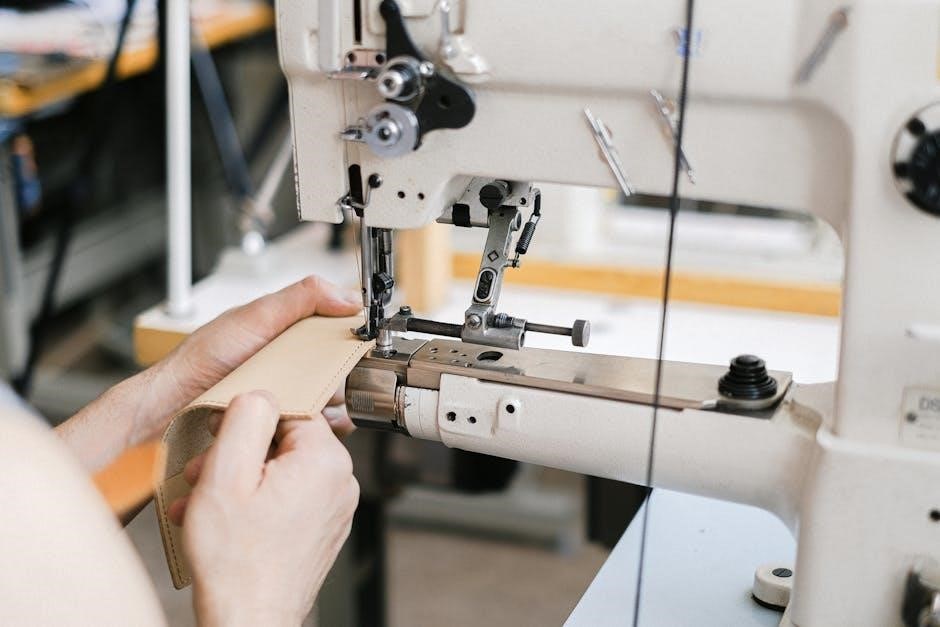
Regular upkeep is vital! Cleaning, oiling, and replacing parts like needles and belts ensure optimal performance and extend your machine’s lifespan considerably.
Cleaning the Machine
Consistent cleaning prevents lint and dust buildup, which can cause malfunctions and affect stitch quality. Always unplug the machine before cleaning! Use a soft brush – often included with your machine – to remove lint from the bobbin area, feed dogs, and around the needle plate.
A small vacuum cleaner attachment can also be helpful. Wipe down the exterior with a slightly damp cloth. Never use water or solvents directly on the machine’s internal parts. Regular cleaning contributes significantly to a longer, more reliable sewing experience.
Oiling the Machine
Proper lubrication ensures smooth operation and prevents wear and tear. Refer to your machine’s diagram for designated oiling points – typically around the bobbin area, gears, and moving parts. Use only sewing machine oil; other oils can gum up the mechanism.
Apply oil sparingly, a drop at a time, and wipe away any excess. Avoid oiling the bobbin case or feed dogs. Regular oiling, as part of your maintenance routine, extends the life of your sewing machine and maintains optimal performance.
Replacing the Needle
A dull or bent needle can cause skipped stitches and damage fabric. Always power off and unplug the machine before changing the needle. Loosen the needle clamp screw and remove the old needle. Insert a new needle, ensuring the flat side faces the back of the machine.
Tighten the screw securely. Use the correct needle type and size for your fabric. Regular needle replacement, as part of routine maintenance, guarantees optimal sewing quality and prevents potential issues.
Belt Replacement
A worn or broken belt prevents the machine from operating. First, disconnect the power. Access the belt cover, usually on the machine’s side or back. Carefully remove the old belt, noting its routing around the motor pulley and handwheel.
Install the new belt, ensuring a snug fit. Reattach the belt cover securely. Proper belt replacement restores power transmission, enabling smooth and efficient sewing operation. Always consult diagrams if available.
Understanding Stitch Patterns
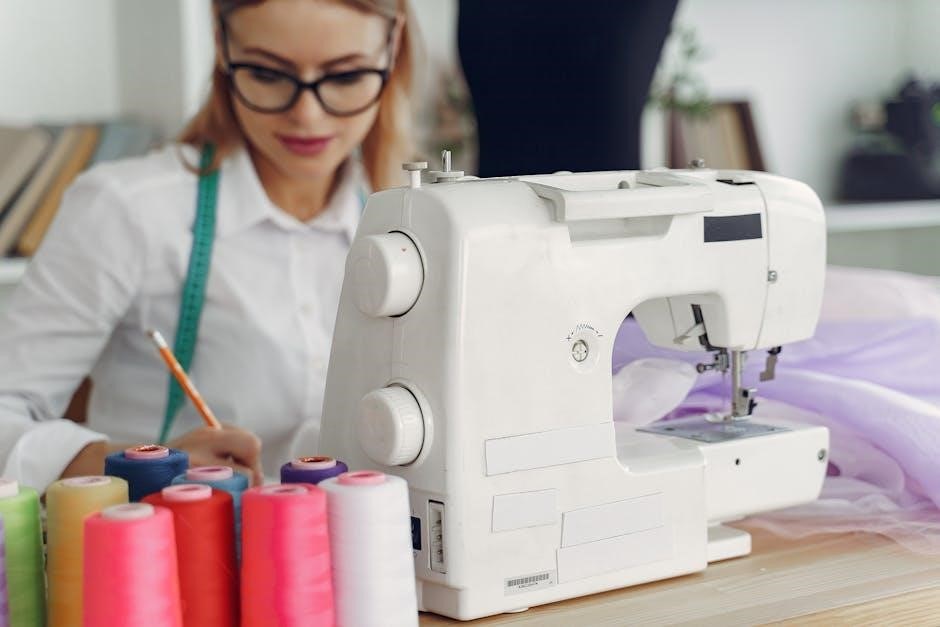
Explore diverse stitch options! From decorative flourishes to robust reinforcement, mastering stitch patterns unlocks creative possibilities and ensures project durability.
Decorative Stitching
Unleash your creativity with decorative stitches! These patterns add unique embellishments to garments, home décor, and craft projects. Your machine likely offers a variety of options, including florals, shells, and geometric designs.
Experiment with different thread colors and weights to achieve varied effects. Adjust stitch length and width for customized looks. Remember to test stitches on scrap fabric before applying them to your final project. Decorative stitching elevates simple creations into personalized works of art, adding a professional touch.
Stretch Stitches
For knit fabrics and activewear, utilize stretch stitches! These specialized stitches provide the necessary give and recovery to prevent puckering or seam breakage when the fabric is stretched. Look for zigzag variations or dedicated stretch stitch settings on your machine.
Employing the correct needle and thread is crucial for optimal results. Always test the stitch on a scrap of your chosen fabric to ensure adequate stretch and durability. Proper technique guarantees comfortable and long-lasting garments.
Reinforcement Stitches
Strengthen stress points with reinforcement stitches! Areas like crotch seams, pocket corners, and belt loops require extra durability. Utilize a zigzag stitch, or a specifically designed reinforcement stitch, to prevent tearing.
Backstitching at the beginning and end of seams is also vital. Consider a triple-stitch option if available on your machine for maximum strength. Proper reinforcement extends the life of your projects, ensuring they withstand regular wear and tear.
Presser Feet Guide
Explore specialized presser feet! Different feet enhance your sewing capabilities, from standard stitching to zippers and buttonholes, improving precision and results.
Standard Presser Foot
The workhorse of your sewing kit! This foot is your go-to for most everyday sewing tasks, including straight stitching, zigzagging, and general fabric manipulation. It provides consistent pressure, ensuring even fabric feed and reliable stitch formation.
Suitable for a wide range of fabrics – from lightweight cottons to medium-weight denims – the standard presser foot is incredibly versatile. It’s the ideal choice when you need a dependable, all-purpose solution for your sewing projects. Mastering its use is fundamental to successful sewing.
Zipper Presser Foot
Precision for perfect zippers! This specialized foot features a groove designed to guide the zipper teeth, ensuring accurate and professional-looking zipper applications. It allows you to sew close to the zipper coils without fabric bunching or uneven stitching.
Essential for inserting standard zippers, invisible zippers, and even decorative zippers, this foot simplifies a traditionally challenging sewing task. Achieve clean, consistent results every time, enhancing the overall quality of your garments and projects.
Buttonhole Presser Foot
Create professional buttonholes effortlessly! This presser foot works in conjunction with your machine’s buttonhole settings, automatically creating perfectly sized and finished buttonholes. It ensures consistent buttonhole length and density, eliminating the need for tedious manual adjustments.
Suitable for various button sizes and fabric weights, this foot delivers clean, durable buttonholes that enhance the functionality and appearance of your sewn items. Achieve a polished, ready-to-wear finish with ease.
Walking Foot
Tackle challenging fabrics with confidence! The walking foot, also known as an even-feed foot, is ideal for quilting, layering, and sewing multiple fabric thicknesses. Unlike a standard presser foot, it features feed dogs that move both the top and bottom layers simultaneously.
This prevents shifting and puckering, ensuring even stitching and precise control. It’s perfect for vinyl, leather, and slippery fabrics, delivering professional results every time.
Optional Accessories
Expand your sewing capabilities! Accessories like embroidery hoops, gathering feet, and roller feet unlock new creative possibilities for your machine.
Embroidery Hoops
Embroidery hoops are essential for securing fabric taut while embellishing designs. They come in various sizes and shapes – round, oval, rectangular – to accommodate different project dimensions.
Using a hoop prevents puckering and ensures consistent stitch quality during free-motion embroidery or decorative stitching. Different hoop materials, like wood or plastic, offer varying levels of grip and ease of use.
Properly hooping your fabric is crucial; ensure even tension without distortion for optimal embroidery results. Explore specialized hoops for specific techniques, enhancing your creative expression.
Gathering Foot
The gathering foot simplifies creating ruffles and gathers on fabric, a technique frequently used in garment construction and home décor projects. This presser foot features a ridged underside that pushes fabric forward, creating intentional bunching.
Adjusting the stitch length controls the density of the gathers; longer stitches produce looser gathers, while shorter stitches create tighter ones. It’s ideal for creating decorative effects or fitting fabric to smaller dimensions.
Experiment with different fabrics and stitch settings to achieve desired gathering results.
Roller Foot
The roller foot is specifically designed for working with challenging fabrics like leather, vinyl, and plastic, which tend to stick to the standard presser foot. It features rollers that glide smoothly over these materials, preventing sticking and ensuring even fabric feed.
This foot allows for precise stitching without marring or distorting the fabric surface. It’s also beneficial when sewing multiple layers of fabric or working with delicate materials that require minimal pressure.
Proper tension adjustments are crucial when using a roller foot.
Machine Specifications
Key details include the model and serial number, power requirements, and physical dimensions – weight included. These specifications are vital for support and maintenance.
Model Number and Serial Number
Locating your machine’s model number and serial number is crucial for identifying your specific sewing machine and accessing the correct support resources. These numbers are typically found on a metal plate affixed to the machine’s body.
The model number indicates the specific design and features of your machine, like a Singer 257 or Brother VX641. The serial number is a unique identifier, useful for warranty claims, repairs, and obtaining replacement parts.
Please record these numbers in a safe place for future reference, as they will be required when contacting customer service or ordering accessories.
Power Requirements
Understanding your sewing machine’s power requirements is essential for safe and efficient operation. Most modern sewing machines operate on standard household electrical power, typically 110-120 volts AC, 60Hz, or 220-240 volts AC, 50Hz depending on your region.
Always check the machine’s label or this manual to confirm the correct voltage before plugging it in. Using an incorrect voltage can damage the machine and void the warranty.
Ensure the power outlet is properly grounded and avoid using extension cords if possible.
Dimensions and Weight
Knowing the dimensions and weight of your sewing machine is crucial for workspace planning and portability. These specifications vary significantly between models, from compact, lightweight machines ideal for beginners to larger, heavier-duty machines for advanced users.
Typical dimensions range from approximately 15 to 20 inches in length, 8 to 12 inches in width, and 12 to 16 inches in height. Weight can range from 15 to 30 pounds or more.
Refer to the machine’s label for precise measurements.