forklift manual
Forklift Manual: A Comprehensive Guide
This manual details essential forklift upkeep, covering safety, maintenance schedules, and repair insights for optimal performance and longevity within your operations․
Forklift maintenance is paramount for ensuring workplace safety, maximizing uptime, and minimizing costly repairs․ Regular inspections and scheduled servicing are not merely recommended, but crucial for maintaining operational efficiency and adhering to OSHA regulations․ This guide provides a comprehensive overview of essential maintenance procedures, encompassing daily checks, fluid level monitoring, battery care (for electric models), and component inspections․
Proactive maintenance extends the lifespan of your forklift investment, preventing unexpected breakdowns and ensuring consistent performance․ Understanding the specific needs of your forklift type – internal combustion (IC) or electric – is fundamental to a successful maintenance program․ Prioritizing safety and following established guidelines will contribute to a secure and productive work environment․
Understanding Forklift Types & Maintenance Needs
Forklifts broadly fall into two categories: Internal Combustion (IC) and Electric, each demanding distinct maintenance approaches․ IC forklifts, powered by gasoline, diesel, or propane, require regular engine oil changes, fuel filter replacements, and cooling system checks․ Electric forklifts, conversely, prioritize battery maintenance, including charging procedures and electrolyte level inspections․
Generally, electric forklifts necessitate less frequent servicing due to fewer moving parts․ However, both types share common maintenance needs like tire inspections, mast and fork checks, and brake system evaluations․ Tailoring your maintenance schedule to the specific forklift type ensures optimal performance and longevity, ultimately reducing downtime and repair costs․
Daily Forklift Inspection Checklist
Prior to each shift, a thorough inspection is crucial for safe operation․ Begin by checking fluid levels – oil, coolant, and hydraulic fluid – for adequate amounts and leaks․ Inspect tires for wear, damage, and proper inflation․ Examine forks for cracks, bends, or straightness issues․ Verify the functionality of brakes, steering, and the overhead guard․
Confirm that all safety features, like horns and lights, are operational․ Document any discrepancies immediately and report them for repair․ A consistent daily checklist minimizes risks, prevents accidents, and extends the forklift’s lifespan, ensuring a productive and secure work environment․
Scheduled Maintenance Intervals (500-Hour Services)
Every 500 hours of operation, a more detailed maintenance service is essential․ This includes a comprehensive inspection of the mast, chains, and cables, ensuring proper lubrication and tension․ Change engine oil (for IC forklifts) and filters․ Inspect brake linings and adjust as needed․ Thoroughly examine the steering system for wear and tear, addressing any issues promptly․
For electric forklifts, focus on battery maintenance․ These 500-hour services proactively address potential problems, preventing costly repairs and downtime, ultimately maximizing forklift uptime and operational efficiency․
Fluid Level Checks & Top-Ups

Regularly monitoring fluid levels is crucial for optimal forklift function․ This encompasses checking engine oil (for internal combustion models), hydraulic fluid, and coolant levels․ Low fluid levels can lead to component damage and reduced performance․ Top up fluids to the manufacturer’s recommended levels using the correct type of fluid․
Consistent fluid checks prevent overheating, ensure smooth hydraulic operation, and safeguard the engine․ Document all top-ups in the maintenance log for tracking and preventative measures․
Engine Oil (IC Forklifts)
For internal combustion (IC) forklifts, engine oil is vital for lubrication and cooling․ Check the oil level using the dipstick before each shift, ensuring it falls within the designated ‘full’ range․ Use the oil grade specified in your forklift’s manual – incorrect oil can cause significant engine damage․
Look for any signs of contamination or discoloration, indicating potential issues․ Regularly scheduled oil changes, typically every 250-500 hours, are essential for maintaining engine health and extending its lifespan․ Document all oil changes meticulously․
Hydraulic Fluid
Hydraulic fluid powers the forklift’s lifting and tilting functions, demanding consistent monitoring․ Inspect the fluid level in the reservoir, ensuring it’s within the acceptable range, typically indicated by ‘min’ and ‘max’ markings․ Check for leaks around hoses, fittings, and the hydraulic pump – even small leaks can lead to significant performance issues․
Use only the hydraulic fluid type recommended by the manufacturer․ Contaminated fluid can damage the hydraulic system․ Regular fluid changes, often around the 1000-hour mark, are crucial for optimal operation and longevity․
Coolant Levels
Maintaining proper coolant levels is vital for internal combustion (IC) forklifts to prevent overheating and engine damage․ Regularly inspect the coolant reservoir, ensuring the level falls between the designated ‘min’ and ‘max’ marks when the engine is cold․ Examine the coolant for any signs of contamination, such as rust or oil․
Use the coolant type specified in your forklift’s manual․ A 50/50 mix of coolant and distilled water is generally recommended․ Flush and replace the coolant according to the manufacturer’s schedule, typically every 2000 hours, to maintain efficient engine cooling․
Battery Maintenance (Electric Forklifts)
Electric forklift batteries require diligent maintenance to ensure optimal performance and longevity․ Proper care extends battery life and minimizes downtime․ Regular inspection for corrosion around terminals is crucial; clean any corrosion with a baking soda solution․ Always follow established charging procedures to avoid damage and maximize efficiency․
Electric forklifts generally require less maintenance due to fewer moving parts․ However, consistent monitoring and adherence to a service schedule – typically every 500 hours – are essential for reliable operation and safety․
Battery Charging Procedures
Correct battery charging is paramount for electric forklift operation and battery lifespan․ Always charge batteries in a well-ventilated area, as charging produces explosive hydrogen gas․ Utilize dedicated charging stations equipped with proper safety features․ Ensure the forklift is turned off and the parking brake is engaged before connecting the charger․
Follow the charger manufacturer’s instructions precisely, avoiding overcharging, which can damage the battery․ Equalization charges, performed periodically, help maintain cell balance and capacity․ Regular monitoring of charging cycles is vital for optimal performance․
Electrolyte Level Checks
Maintaining proper electrolyte levels in forklift batteries is crucial for performance and longevity․ After a full charge, carefully inspect each cell, ensuring the electrolyte covers the plates․ Use distilled water only to top up cells, avoiding overfilling – maintain levels within the specified range․
Wear appropriate personal protective equipment, including gloves and eye protection, as electrolyte is corrosive․ Regularly check for leaks or damage to the battery case․ Document electrolyte levels during routine inspections to track battery health and identify potential issues promptly․
Forklift Tire Maintenance
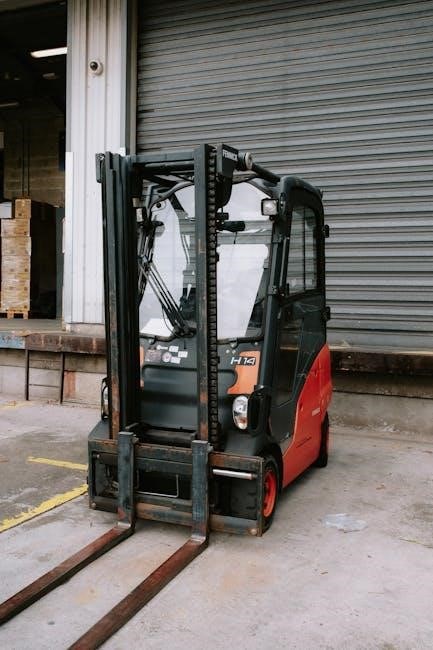
Proper forklift tire maintenance directly impacts stability, load capacity, and operator safety․ Regularly inspect tires for cuts, bulges, or uneven wear patterns, indicating potential damage or misalignment․ Check tire pressure frequently, adhering to the manufacturer’s recommendations for the specific tire type – pneumatic, solid/cushion, or poly․
Underinflated tires can lead to increased rolling resistance and reduced battery life, while overinflated tires compromise ride quality․ Rotate tires periodically to promote even wear and extend their lifespan․ Address any tire issues immediately to prevent accidents․
Tire Inspection for Wear and Damage
A thorough tire inspection is crucial during each forklift check․ Examine tires closely for any signs of wear, including cuts, cracks, bulges, or chunks missing from the tread․ Look for uneven wear patterns, which may indicate misalignment or improper inflation․
Check the sidewalls for damage, as this can compromise tire integrity․ Inspect the rims for bends or damage that could affect tire seating․ Document any findings and address issues promptly – damaged tires should be replaced immediately to maintain safety and prevent operational problems․
Proper Tire Inflation
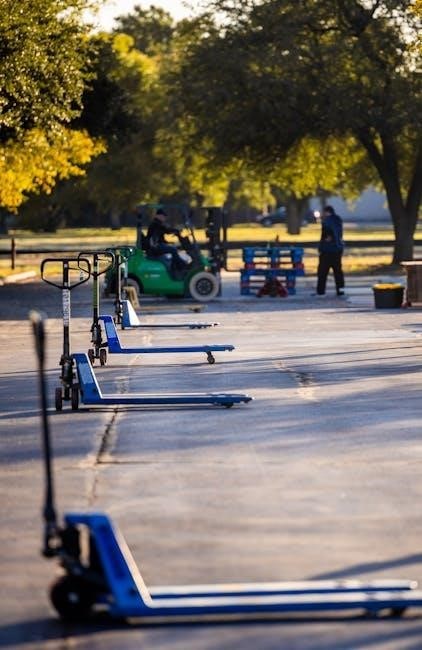
Maintaining correct tire inflation is vital for forklift stability, handling, and tire lifespan․ Refer to the forklift’s tire placard or operator’s manual for the manufacturer’s recommended pressure․ Use a calibrated tire pressure gauge to verify inflation levels before each shift․
Under-inflation can lead to excessive heat buildup, tire failure, and reduced load capacity․ Over-inflation can cause a harsh ride and increased risk of punctures․ Regularly check for leaks and address them immediately․ Consistent, proper inflation optimizes performance and safety․
Mast & Fork Inspection
Regularly inspect the forklift mast and forks for any signs of damage or wear․ Carefully examine the forks for cracks, bends, or excessive wear, replacing them if necessary․ Check the mast rails for straightness and smooth operation, ensuring proper chain and cable functionality․
Lubricate mast components as specified in the maintenance schedule․ Inspect chains and cables for fraying, kinks, or corrosion, and replace them if compromised․ A damaged mast or forks can lead to load instability and serious accidents, so thorough inspection is crucial for safety․
Chain & Cable Inspection
Thoroughly inspect lift chains and cables for any signs of wear, damage, or corrosion․ Look closely for fraying, kinking, crushing, or broken wires – even minor damage can compromise the entire system’s integrity․ Ensure proper lubrication according to the forklift’s maintenance schedule to minimize friction and wear․
Replace chains or cables immediately if any defects are found․ Damaged chains or cables can lead to catastrophic mast failure and potential load drops, creating a significant safety hazard․ Regular inspection and timely replacement are vital for safe and reliable operation․
Fork Wear & Straightness
Regularly examine forklift forks for signs of wear, such as bending, cracking, or excessive wear at the heel and carriage mounting points․ Use a straightedge to verify fork straightness; bent forks can compromise load stability and create a dangerous situation․ Inspect for any weld defects or structural damage․
Replace forks if they exhibit significant wear or damage․ Worn or damaged forks can lead to load slippage or failure, potentially causing injuries or property damage․ Maintaining fork integrity is crucial for safe and efficient material handling operations․
Brake System Maintenance
A fully functional brake system is paramount for forklift safety․ Routine inspections should include checking brake pedal travel, response time, and overall effectiveness․ Regularly inspect brake pads for wear, ensuring sufficient friction material remains for reliable stopping power․ Replace worn brake pads promptly to prevent damage to rotors or drums․
Also, verify brake fluid levels and check for leaks within the hydraulic lines․ Low brake fluid can indicate a leak or worn components․ Address any brake system issues immediately to maintain operator control and prevent accidents․
Brake Pad Inspection
Thorough brake pad inspection is a critical safety measure․ Visually assess the pads for remaining friction material; a minimum thickness is usually specified by the forklift manufacturer․ Look for uneven wear patterns, which can indicate issues with the brake system or wheel alignment․ Check for cracks, glazing, or other signs of damage that compromise pad integrity․
If pads are nearing their wear limit or exhibit damage, immediate replacement is essential․ Ignoring worn brake pads can lead to reduced stopping power and potential accidents․ Document all inspection findings and replacement dates․
Brake Fluid Levels
Maintaining correct brake fluid levels is vital for optimal braking performance․ Regularly check the brake fluid reservoir, ensuring the fluid is between the minimum and maximum fill lines․ Use only the brake fluid type recommended by the forklift manufacturer – mixing types can cause damage․ Low fluid levels may indicate a leak within the brake system, requiring immediate investigation․
Inspect brake lines and hoses for any signs of cracks, leaks, or damage․ Address any fluid loss promptly to prevent brake failure․ Document all fluid level checks and top-ups in the maintenance log․
Steering System Maintenance
A properly maintained steering system ensures safe and precise forklift control․ Regularly inspect the steering linkage, including tie rod ends and ball joints, for wear or looseness․ Check for any play in the steering wheel and investigate any unusual noises during operation․ Lubricate all steering components as specified in the manufacturer’s guidelines․
Verify the power steering fluid level (if applicable) and top up as needed, using the correct fluid type․ Inspect hoses for leaks or damage․ Promptly address any steering issues to prevent accidents and maintain operational efficiency․
Overhead Guard & Safety Features
The overhead guard is a critical safety component, protecting the operator from falling objects․ Inspect it regularly for cracks, dents, or any signs of damage․ Ensure it’s securely mounted and all mounting hardware is tight․ Verify the functionality of all safety features, including the seatbelt, horn, and backup alarm․
Check the condition of the operator’s restraint system and replace worn or damaged components immediately․ Confirm the backup alarm is audible and functioning correctly․ A well-maintained overhead guard and functioning safety features are paramount for operator protection․
Common Forklift Repairs
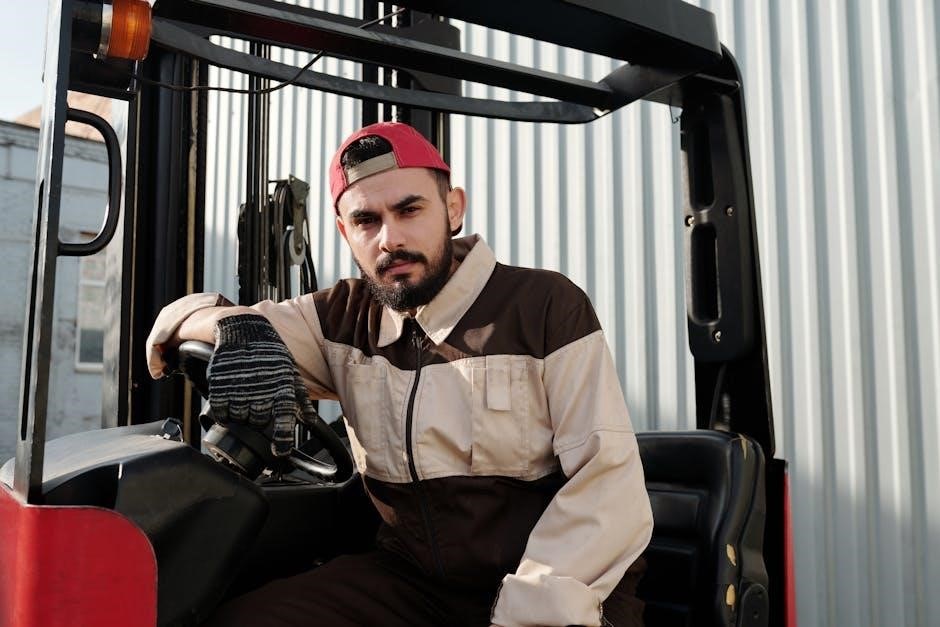
Hydraulic system leaks are frequently encountered, often stemming from worn seals or damaged hoses․ Electrical system issues, including faulty wiring or malfunctioning sensors, can disrupt operation․ Troubleshooting these requires a systematic approach, starting with visual inspection and component testing․
Other common repairs involve brake adjustments, steering mechanism fixes, and tire replacements․ Addressing these promptly minimizes downtime and maintains operational efficiency․ Regular maintenance significantly reduces the likelihood of major repairs, extending the forklift’s lifespan and ensuring workplace safety․
Hydraulic System Leaks
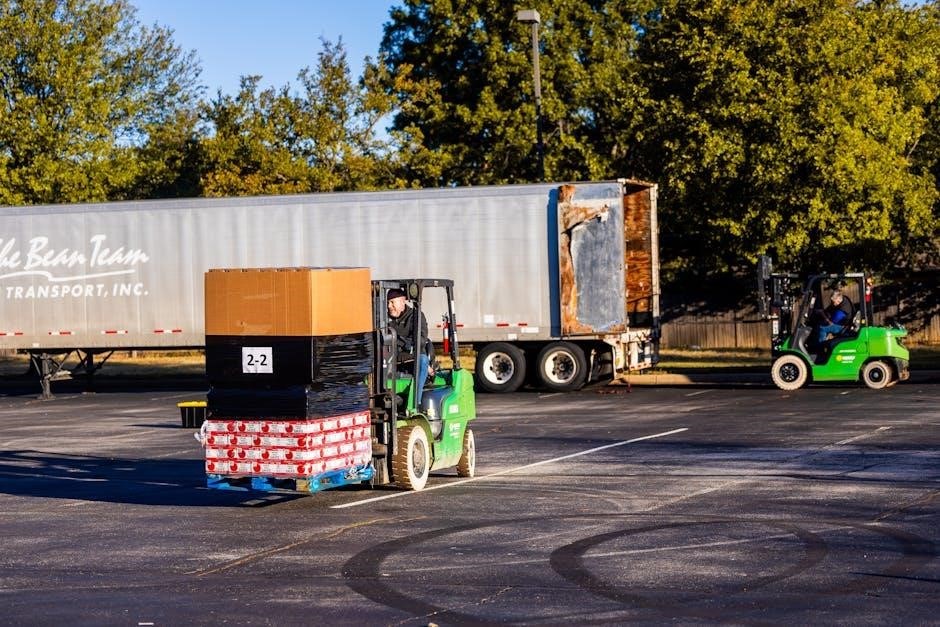
Hydraulic leaks represent a common forklift repair, often originating from worn seals within cylinders, hoses, or the pump itself․ Identifying the leak’s source is crucial; check connections, hoses, and the hydraulic reservoir for visible fluid․ Low hydraulic fluid levels are a key indicator․
Repair typically involves replacing damaged seals, hoses, or components․ Always depressurize the system before disassembly․ Proper fluid handling and disposal are essential․ Ignoring leaks can lead to reduced lifting capacity and potential system failure, impacting operational safety and efficiency․
Electrical System Issues
Forklift electrical problems can range from minor inconveniences like faulty lights to serious malfunctions affecting operation and safety․ Common issues include blown fuses, corroded wiring, and malfunctioning solenoids or controllers․ Battery connections must be clean and tight, especially in electric forklifts․
Diagnosis often requires a multimeter to check voltage and continuity․ Always disconnect the battery before working on the electrical system․ Repair may involve replacing components, repairing wiring, or cleaning connections․ Ignoring electrical issues can lead to unpredictable behavior and potential hazards․
OSHA Forklift Maintenance Requirements
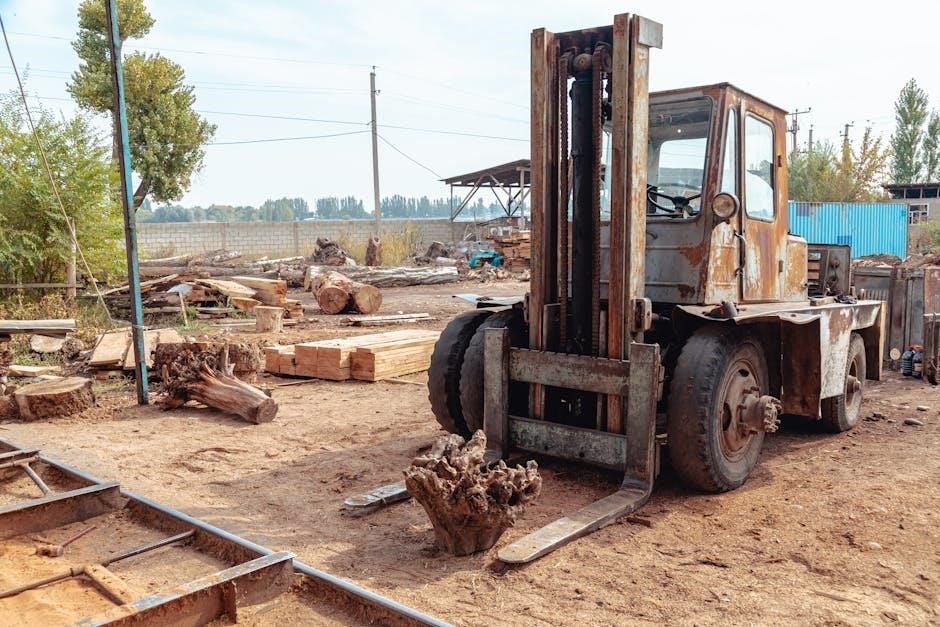
OSHA mandates that employers ensure all forklifts are safely maintained and in good working order․ This includes daily inspections, scheduled maintenance, and prompt repairs of any identified defects․ Detailed records of all maintenance activities must be kept, demonstrating compliance․
Forklifts removed from service due to safety concerns must be tagged out and not returned to use until repaired․ Operators must be trained to recognize and report any issues․ Regular maintenance is crucial for preventing accidents and ensuring a safe working environment, adhering to OSHA’s stringent safety standards․
Creating a Forklift Preventive Maintenance Plan
A robust preventive maintenance plan is vital for maximizing forklift uptime and minimizing costly repairs․ This plan should outline specific inspection intervals – daily, 500-hour, and annual – detailing tasks like fluid checks, tire inspections, and component assessments․
Assign responsibility for each task and establish a clear record-keeping system․ Consider forklift usage intensity when scheduling maintenance; high-use forklifts require more frequent attention․ Proactive maintenance reduces the risk of unexpected breakdowns, enhances safety, and extends the lifespan of your valuable equipment․
Record Keeping & Maintenance Logs
Detailed record-keeping is paramount for effective forklift maintenance and demonstrating compliance with OSHA regulations․ Maintenance logs should meticulously document all inspections, repairs, and fluid top-ups, including dates, tasks performed, and the technician’s initials․
These logs provide a valuable history of each forklift, aiding in identifying recurring issues and predicting future maintenance needs․ Digital systems streamline record-keeping and facilitate analysis․ Accurate logs are essential for tracking maintenance costs, optimizing schedules, and ensuring a safe operating environment․
Professional Forklift Maintenance Services
Engaging qualified professionals for forklift maintenance offers significant benefits, particularly for complex repairs and specialized services․ Certified technicians possess the expertise to diagnose and resolve issues efficiently, minimizing downtime and ensuring safety compliance․
Professional services include comprehensive inspections, major component overhauls, and hydraulic system repairs․ They often provide preventative maintenance contracts tailored to your fleet’s needs․ While some tasks can be handled in-house, relying on experts guarantees quality workmanship and adherence to industry standards, ultimately extending forklift lifespan․