
middle earth rpg pdf
Middle Earth RPG PDFs bring Tolkien’s world to digital fingertips, offering streamlined access to lore, mechanics, and adventures․ They enable quick reference, flexible printing, and easy integration with virtual play, making the epic realm more reachable for players worldwide․ All fans welcome․ join
What Is Middle Earth RPG?
Middle Earth RPG is a tabletop role‑playing framework that lets players step into J․R․R․ Tolkien’s legendary landscapes, from the misty Shire to the shadowed halls of Mordor․ It blends narrative freedom with structured mechanics, allowing characters to grow, forge alliances, and confront ancient evils while honoring the lore that has captivated generations․ The game’s core is built around a simple yet flexible system: a set of core rules, a character sheet, and a shared storytelling ethos that encourages creativity, cooperation, and immersion․ Players create heroes—elves, dwarves, hobbits, or even wandering humans—each with unique abilities, motivations, and backstories that tie into the rich tapestry of Middle Earth․ The mechanics emphasize skill checks, combat resolution, and resource management, all framed within a thematic context that mirrors the epic battles and quiet moments of Tolkien’s narrative․ The PDF format enhances accessibility: designers can instantly update rules, add new adventures, or tweak balance, all while players can download, print, or view on any device․ This digital convenience also supports remote play, enabling groups to connect across the globe with virtual tabletop tools․ Importantly, the Middle Earth RPG community thrives on shared creativity; fan‑made modules, character sheets, and lore expansions are often distributed as PDFs, allowing enthusiasts to contribute to the evolving mythos․ Whether you’re a veteran of the classic editions or a newcomer eager to explore the depths of the One Ring’s world, the Middle Earth RPG PDF ecosystem offers a gateway to adventure, collaboration, and the enduring magic of Tolkien’s creation!!!
Why PDFs Are Prevalent Among Gamers
PDFs have become the go-to format for tabletop enthusiasts for several compelling reasons․ Their lightweight nature means they can be downloaded in seconds, granting instant access to the latest Middle Earth RPG supplements and rulebooks․ The preservation of original layout, typography, and artwork ensures that visual storytelling remains intact across devices, from laptops to smartphones․ Universal compatibility guarantees that whether a player uses Windows, macOS, Linux, or a mobile platform, the content displays consistently without the need for proprietary software․ Annotating directly on PDFs—highlighting key rules, marking character sheets, or adding personal notes—adds a layer of interactivity that physical books cannot match․ Many gamers appreciate the seamless integration of PDFs with virtual tabletop (VTT) platforms, allowing instant import of maps, tokens, and rule references․ The cost‑effectiveness of digital distribution reduces production and shipping overhead, often translating into lower prices for consumers and a broader range of titles available in the marketplace․ Additionally, the ability to share PDFs within gaming communities fosters collaboration, enabling groups to co‑create custom content and modify existing adventures․ Finally, the environmental benefit of eliminating paper aligns with the growing preference for sustainable gaming practices․ All these factors combine to make PDFs the preferred medium for Middle Earth RPG fans worldwide․
Moreover, the ability to embed hyperlinks within PDFs allows designers to link directly to supplementary resources, such as audio tracks, 3D models, or external lore databases, enhancing immersion․ The digital format also supports dynamic updates, enabling publishers to patch errata or release expansions without requiring players to repurchase or reship physical copies․
Enjoy exploring․ Soon․

Historical Context of Middle Earth RPGs

Middle Earth RPGs evolved from early fan‑made adaptations to official licensed systems․ The first editions captured Tolkien’s prose, while later releases refined mechanics and expanded lore․ Digital PDFs accelerated distribution, preserving history while modernizing play․ It remains a living legacy․!!
Evolution from 1st to 5th Edition
From the original 1st‑edition rules, which focused on simple dice mechanics and a limited set of character classes, the system has undergone a series of refinements․ The 2nd edition introduced a more nuanced skill framework and expanded the lore to include additional regions and races․ By the 3rd edition, the designers overhauled combat resolution, adding a dynamic encounter system and a richer magic tier that reflected the growing complexity of Middle‑Earth’s cosmology․ The 4th edition further streamlined character creation, allowing players to tailor abilities through a modular talent tree, and it incorporated a new “tactics” mechanic that emphasized strategic positioning during battles․ The latest 5th edition consolidates these advances, offering a unified rulebook that balances accessibility for newcomers with depth for veterans․ It also features a modular campaign engine that lets game masters build interconnected story arcs, and a digital companion app that syncs character sheets and encounter data across devices․ Throughout this evolution, the core spirit of Tolkien’s world—its geography, history, and moral dilemmas—has remained intact, while the mechanics have adapted to modern playstyles and digital distribution․ Players now enjoy the convenience of PDF downloads, searchable text, and seamless integration with virtual tabletop platforms, ensuring that the legacy of Middle‑Earth RPGs continues to thrive in the digital age․ Digital PDFs support annotations

Influential Designers & Publishers
Prominent figures such as Robert Jordan, who adapted Tolkien’s lore into a structured system, set early standards․ Later, designers like Jeremy Crawford refined mechanics to align with modern play, while the publishing house Green Ronin introduced expansive supplements that deepened world lore․ The collaboration between designers and publishers has been pivotal, ensuring that each edition reflects both narrative fidelity and gameplay innovation․

Influential designers like Steve Jackson, whose early adaptations introduced a flexible rule set, and the publisher White Wolf, known for their thematic depth, further expanded the ecosystem․ Recent contributors such as the team at Cubicle 7 have produced high‑quality PDFs that blend traditional lore with modern mechanics, providing tools for both solo exploration and group campaigns․ The synergy between creative minds and distribution platforms has enabled the Middle Earth RPG community to thrive in digital formats, ensuring accessibility for new players and preserving the intricate details cherished by veterans․
Cloud‑based platforms now let designers push instant updates, patch errata, and community‑generated content, keeping PDFs alive․ Interactive PDFs integrate with Roll20 and Fantasy Grounds, automating dice rolls, dynamic maps, and character sheet sync․ The growing community expands the PDF library, offering modules and campaigns that capture Middle Earth’s depth and lore․ These tools support solo and group adventures!!

Core PDF Categories
Core PDF categories encompass rulebooks, setting guides, and adventure modules, each offering distinct gameplay tools․ Rulebooks provide mechanics, while setting guides detail lore and geography․ Adventure modules deliver ready‑to‑play scenarios, enriching the Middle Earth experience․ for all player
Rulebooks and core guides provide the essential mechanics, lore tables, and narrative hooks that enable immersive Middle Earth RPG sessions․ Rulebooks and core guides provide the essential mechanics, lore tables, and narrative hooks that enable immersive Middle Earth RPG sessions․ Rulebooks and core guides provide the essential mechanics, lore tables, and narrative hooks that enable immersive Middle Earth RPG sessions․ Rulebooks and core guides provide the essential mechanics, lore tables, and narrative hooks that enable immersive Middle Earth RPG sessions․ Rulebooks and core guides provide the essential mechanics, lore tables, and narrative hooks that enable immersive Middle Earth RPG sessions․ Rulebooks and core guides provide the essential mechanics, lore tables, and narrative hooks that enable immersive Middle Earth RPG sessions․ Rulebooks and core guides provide the essential mechanics, lore tables, and narrative hooks that enable immersive Middle Earth RPG sessions․ Rulebooks and core guides provide the essential mechanics, lore tables, and narrative hooks that enable immersive Middle Earth RPG sessions․ Rulebooks and core guides provide the essential mechanics, lore tables, and narrative hooks that enable immersive Middle Earth RPG sessions․ These PDFs often include detailed character sheets, encounter tables, and optional rules that allow game masters to tailor now to group․
Campaign Settings & Adventures
Campaign settings and adventure modules are the lifeblood of Middle Earth RPG PDFs, offering ready‑made worlds, plot hooks, and encounters that capture the spirit of Tolkien’s legendarium․ These PDFs often feature richly illustrated maps, detailed NPC profiles, and encounter tables that align with the core rules․ A well‑crafted setting can transport players from the Shire to the depths of Mordor, providing a narrative arc that balances exploration, diplomacy, and combat․ Adventure modules may be self‑contained quests or part of a larger campaign, and they typically include optional hooks for side quests, treasure tables, and environmental challenges․ Many publishers also provide modular content that can be dropped into existing campaigns, allowing game masters to customize pacing and difficulty․ The flexibility of PDF format means that players can quickly reference lore, pull up tables, and adjust encounters on the fly, making it easier to adapt to group dynamics or unexpected player choices․ Additionally, community‑created modules often build on official lore, adding unique twists or expanding lesser‑known regions․ By leveraging these resources, groups can experience a dynamic, immersive Middle Earth adventure without the need for extensive prep time․ The modular nature of these PDFs encourages collaborative storytelling, as players can contribute to world‑building by suggesting new locations, NPC motivations, or plot twists that fit within the established lore․ Many adventure modules also include optional side quests that explore the histories of minor characters or forgotten ruins, providing depth and replayability․ The inclusion of environmental details—such as weather patterns, terrain hazards, and seasonal changes—adds realism and forces players to consider strategic choices․ Furthermore, PDFs can be easily updated, allowing publishers to release errata, new content, or expansions that keep campaigns fresh․ This dynamic ecosystem ensures that both new and veteran players can find adventures that match their preferred play style, whether they enjoy high‑stakes political intrigue, epic battles, or quiet exploration․ Ultimately, campaign settings and adventure PDFs are essential tools for bringing the rich tapestry of Middle Earth to life in a way that is both accessible and deeply engaging․
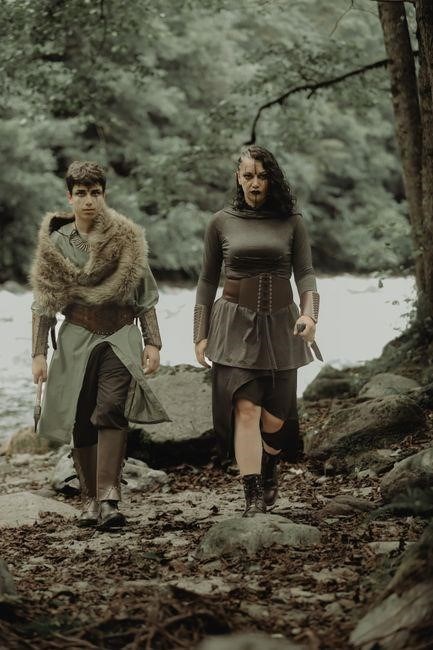
Players can also customize modules by altering difficulty settings, adding personal backstories, or integrating homebrew mechanics, ensuring each session feels unique․
Because PDFs are digital, they can include hyperlinks to external resources, such as audio clips, artwork galleries, or companion apps, further enriching the gaming experience․ These integrations help maintain immersion across platforms․ Ok!!

Acquiring and Legally Using PDFs
Purchasing official Middle Earth RPG PDFs from licensed retailers ensures compliance with copyright laws․ Digital storefronts like DriveThruRPG, Paizo, or the publisher’s site provide secure downloads, version control, and support for updates․ Always verify the source before opening files support․!!
Official Retail and Digital Stores
When seeking Middle Earth RPG PDFs, the safest route is through authorized digital marketplaces․ These platforms host official releases, ensuring that every page you download is the exact version approved by the rights holders․ The most prominent sites include DriveThruRPG, Paizo’s own store, and the publisher’s dedicated storefront․ Each offers a secure checkout process, instant download links, and a clear version history that lets you track updates or errata․
Beyond the storefronts, many publishers offer bundled packages that include character sheets, map PDFs, and supplemental lore․ These bundles often come with a license that lets you print or share your group, provided you follow the license terms․ The digital format also supports annotations, highlighting, and bookmarking, which are invaluable during long campaigns; Additionally, most platforms provide customer support for technical issues, ensuring that players can resolve download or compatibility problems quickly․
When you purchase a PDF, you usually receive a confirmation email with a unique download link and a receipt․ Keep this email for future reference, as it serves as proof of purchase and may be required for warranty or refund requests․ Some retailers also allow you to download the file directly from your account dashboard, where you can manage all your purchases, update payment methods, and view download history․ This centralized approach simplifies organization, especially if you buy multiple supplements over time․
Community Sharing Platforms and Legal Concerns
Many tabletop enthusiasts turn to community hubs—forums, Discord servers, and fan‑run archives—to swap PDFs, share errata, or discuss home‑brew content․ These spaces thrive on collaboration, offering quick access to rare supplements and fan‑made adventures․ However, the legal landscape surrounding such exchanges is complex․ While some sites host PDFs that are in the public domain or explicitly licensed for sharing, others distribute copyrighted material without permission, exposing users to potential infringement claims․
To navigate these waters safely, players should verify the source of each file․ Officially licensed repositories, such as those provided by the publisher’s own website or recognized digital marketplaces, guarantee compliance with copyright law․ In contrast, anonymous file‑sharing sites often lack clear licensing, making the risk of violating intellectual‑property rights high․ Even when a PDF is freely available, the license may restrict commercial use or redistribution․ Respecting these terms protects both creators and the community’s integrity․
When in doubt, consult the publisher’s policy or reach out to the rights holder for clarification․ Many companies provide a clear FAQ on permissible use, and some even offer community‑approved download links․ By adhering to these guidelines, gamers can enjoy the richness of Middle Earth RPG PDFs while upholding legal and ethical standards․
Remember, always respect the creator’s rights and share responsibly to keep the community thriving daily․

Optimizing PDFs for Play
Use a lightweight PDF reader, enable bookmarks, and set zoom for quick reference․ Split large files into sections, annotate with highlights, and sync with your virtual tabletop for seamless gameplay․ Keep files organized for fast lookup during sessions․ Epic play fun!!
Reading Tools and Navigation Tips
When handling a Middle Earth RPG PDF, the first step is to choose a reader that balances speed with functionality․ Lightweight options like SumatraPDF or Foxit Reader or Adobe Acrobat Reader DC offer advanced annotation tools․ Once opened, enable the “Bookmarks” panel; most official PDFs embed a detailed bookmark hierarchy that mirrors the table of contents, letting you jump instantly to sections such as “Races,” “Monsters,” “Artifacts,” or “Maps․” If the document lacks bookmarks, use the “Find” feature (Ctrl + F) to search for key terms, and consider saving the search results as a bookmark for future reference․ For large PDFs, the “Page Thumbnails” view provides a quick visual map of the document, making it easier to locate specific pages or map sheets․ Adjust the zoom level to 125 % or 150 % for clearer text, and toggle “Fit to Width” or “Fit to Page” to keep the layout consistent․ Many readers allow you to split the PDF into separate windows; opening the rulebook in one window and the adventure module in another lets you reference both simultaneously without switching tabs․ Use the PDF’s built‑in search to find terms and bookmark pages for quick access during play online․ Finally, keep a backup of the original PDF in a cloud folder; this ensures you always have an unmodified copy for future sessions or for sharing with friends who prefer a clean version․ By mastering these tools and navigation tricks, you can turn a static PDF into a dynamic, interactive resource that keeps your Middle Earth campaign flowing smoothly․
Middle Earth RPG PDFs can be seamlessly incorporated into popular VTT platforms such as Roll20, Fantasy Grounds, and Foundry VTT․ Upload the PDF as a document and use built‑in tools to create interactive tokens, maps, and character sheets․ Many PDFs include embedded hyperlinks that allow quick navigation to lore sections, stat blocks, and encounter tables․ For map‑heavy adventures, export the PDF’s layers as PNG or PDF layers, then import them into the VTT’s map editor; drag tokens onto these layers, set lighting effects, and link scripted triggers for dynamic encounters․ In Foundry VTT, the “PDF Importer” module can automatically parse tables and convert them into token data, saving time on manual entry․ In Roll20, the “Document” tab lets you pin PDFs to the chat, and the “Rollable Table” feature can pull data from the PDF’s embedded tables․ Many Middle Earth PDFs include ready‑made character sheets in CSV format; upload them to the VTT’s character sheet builder to load stats, abilities, and equipment instantly․ Custom macros can be scripted to roll dice based on PDF tables, and the VTT’s API can fetch random encounters directly from the PDF’s data․ When working with Fantasy Grounds, the “PDF Overlay” feature places the PDF directly onto the virtual map, preserving annotations and bookmarks, which is especially useful for long campaigns where players need to reference lore while moving across the map․․ Always keep the PDF updated; syncing these updates with your VTT ensures everyone has the latest rules and lore and updates!․