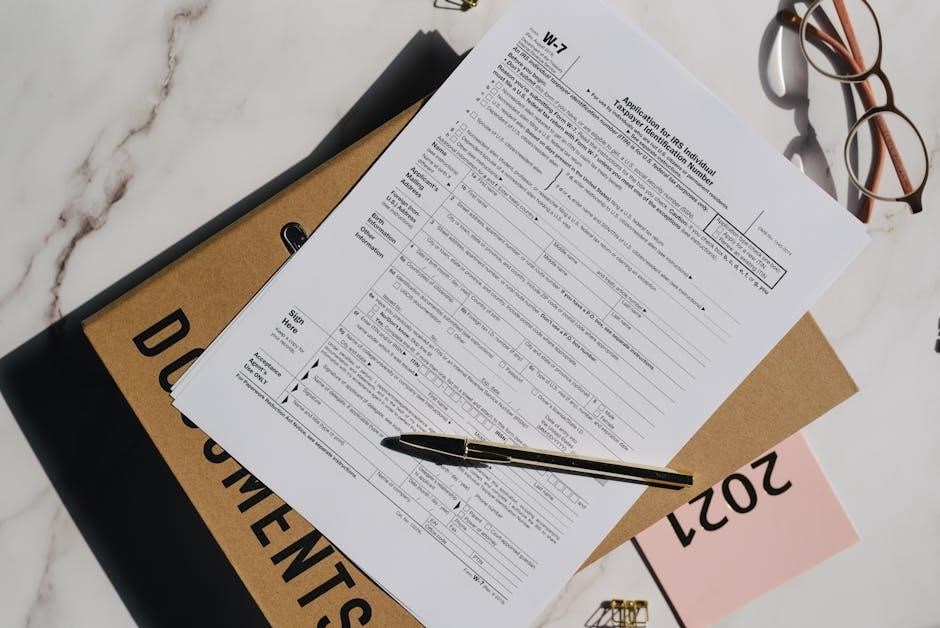
nj marriage license application form
New Jersey Marriage License Application: A Comprehensive Guide

Navigating the New Jersey marriage license process requires careful attention to detail. This guide provides a thorough overview, ensuring a smooth application experience for all couples.
Obtaining a New Jersey marriage license is the foundational step towards legally uniting in matrimony within the state. The process, while generally straightforward, necessitates adherence to specific guidelines and requirements established by the New Jersey Vital Statistics Office and individual municipalities. This license isn’t merely a piece of paper; it’s a legal document authorizing a marriage ceremony to take place.
Understanding the nuances of the application process is crucial for a stress-free experience. Couples planning to marry in New Jersey, regardless of residency status, must apply for a license in person at a local registrar’s office. The license is valid for 60 days from the date of issuance, providing a window for the ceremony to be performed.
This comprehensive guide aims to demystify the entire procedure, from eligibility criteria and required documentation to the application steps and post-ceremony procedures. We will break down each section of the application, clarify fee structures, and explain how to obtain a certified copy of your marriage certificate. Preparing in advance will ensure a joyous and legally sound beginning to your married life.
Eligibility Requirements for Marriage in NJ
To legally marry in New Jersey, both applicants must meet certain eligibility criteria as defined by state law. Generally, individuals must be of legal age – 18 years or older – and possess the capacity to consent to the marriage. However, exceptions exist for those aged 16 or 17 with parental consent and judicial approval, a process detailed further in dedicated sections.
Both parties must be unmarried at the time of application. If previously married, a certified copy of the divorce decree or a death certificate (for widows/widowers) is required; New Jersey recognizes both same-sex and opposite-sex marriages equally, extending all rights and responsibilities to both.
Residency is not a requirement for obtaining a New Jersey marriage license; individuals residing outside the state can apply in any New Jersey municipality. However, the marriage ceremony must take place within New Jersey for the license to be valid. Prohibited relationships, such as those involving close familial ties, are strictly enforced, ensuring adherence to legal and ethical standards.
Age Requirements
New Jersey’s age requirements for marriage are fairly straightforward, though with specific provisions for younger applicants. Generally, both individuals seeking a marriage license must be at least 18 years of age. Those 18 or older can apply directly with standard documentation, including valid photo identification and proof of any prior divorce decrees, if applicable.
However, individuals aged 16 or 17 can obtain a marriage license, but the process is more complex. They require written consent from both parents or legal guardians. If parental consent cannot be obtained, a court order may be sought, necessitating a hearing before a New Jersey Family Court judge. This judicial review ensures the applicant understands the implications of marriage.
Applicants under 18 must also demonstrate maturity and understanding of marital responsibilities to the court. Licenses issued to 16 and 17-year-olds have a limited validity period, requiring the ceremony to occur within a specified timeframe. Marriages involving individuals under 18 are subject to stricter scrutiny to protect the well-being of the younger party.
Residency Requirements
New Jersey exhibits remarkable flexibility regarding residency requirements for obtaining a marriage license. Neither applicant is required to be a resident of New Jersey to apply for and receive a license within the state. This makes New Jersey a popular choice for couples from out-of-state or even internationally.
However, the marriage ceremony must be performed within New Jersey for the license to be valid. Couples planning to marry elsewhere should obtain their license in the state or country where the ceremony will take place. There are no stipulations regarding the length of time spent in New Jersey prior to application.
The municipality where the license is applied for does not matter in relation to residency. Couples can choose any New Jersey municipality to submit their application, regardless of where they live. This convenience simplifies the process for those traveling to New Jersey specifically to get married. Proof of residency is not requested during the application process.
Prohibited Relationships
New Jersey law strictly prohibits marriages between certain close relatives, adhering to established legal and ethical standards; Specifically, marriages are forbidden between ancestors and descendants of any degree, including parents, grandparents, children, and grandchildren. This restriction extends to siblings, whether whole or half-blood.
Additionally, marriages are not permitted between aunts and nephews, or uncles and nieces. These prohibitions are in place to prevent consanguinity and uphold societal norms regarding familial relationships. The state takes these restrictions very seriously, and knowingly entering into a prohibited marriage carries significant legal consequences.
The application form itself includes a section where applicants must attest that their proposed marriage does not violate these prohibitions. Providing false information in this regard is a criminal offense. If there is any uncertainty regarding the legality of a proposed marriage due to familial connections, it is strongly advised to seek legal counsel before proceeding with the application process.
Required Documentation
Successfully completing your New Jersey marriage license application necessitates presenting a specific set of documents to verify identity and eligibility. Both applicants must provide valid photo identification, such as a driver’s license, passport, or state-issued ID card. Proof of Social Security number is required if you have one; the card itself isn’t always necessary, but the number must be provided on the application.
If either applicant has been previously married, a certified copy of the divorce decree or annulment is mandatory. For widows or widowers, a certified copy of the deceased spouse’s death certificate is required. These documents must be original or certified copies – photocopies are generally not accepted.
The application form itself serves as a key document, alongside any supporting paperwork. Municipalities may have specific requirements, so checking their website or contacting them directly is advisable. Ensure all documents are current and legible to avoid delays in processing your application.
Proof of Identity (Valid Photo ID)
Establishing your identity is paramount when applying for a New Jersey marriage license. Acceptable forms of photo identification are strictly defined to ensure the validity of the process. A current, government-issued driver’s license is the most commonly used form of ID.
Alternatively, a valid passport – either U.S. or foreign – is universally accepted. State-issued identification cards are also permissible, provided they feature a photograph and haven’t expired. Military IDs are also routinely accepted as proof of identity.
The identification presented must be original; photocopies or scanned images are not permitted. The name on the ID must precisely match the name as it appears on the marriage license application. Any discrepancies could lead to delays or rejection of your application. Ensure your photo ID is readily available when completing the application and attending any required appointments.

Proof of Social Security Number (if applicable)
Providing your Social Security number is required on the New Jersey marriage license application, though you are not required to present the physical card. This information is used for statistical purposes and to ensure accurate record-keeping by the state.
If you possess a Social Security number, you must accurately record it on the application form. Failure to do so may result in processing delays. Non-U.S. citizens who do not have a Social Security number should indicate this on the application; providing a number is not mandatory in such cases.
The application specifically asks for the number, but does not necessitate presenting the physical Social Security card. Remember, the information provided must be truthful and accurate. Providing false information can have legal consequences. If you have lost your Social Security card, you can request a replacement from the Social Security Administration, but it is not needed for the marriage license application itself.
Certified Copy of Divorce Decree (if applicable)
If either applicant has been previously divorced, a certified copy of the final divorce decree is required when applying for a New Jersey marriage license. This documentation is essential to verify the legal termination of any prior marriages.

The divorce decree must be a certified copy – a photocopy will not be accepted. A certified copy bears the official seal and signature of the court that granted the divorce. You can obtain a certified copy from the court where the divorce was finalized; processing times vary by court.
Ensure the decree clearly states the date the divorce was granted. If the divorce was granted in a state other than New Jersey, the certified copy is still required. It’s prudent to obtain this document well in advance of your application appointment to avoid delays. Failure to provide a valid certified copy will prevent the issuance of your marriage license.
Death Certificate (for Widows/Widowers)
Applicants who are widowed and seeking to remarry in New Jersey must present a certified copy of the death certificate of their deceased spouse when applying for a marriage license. This document serves as official proof of the previous spouse’s death, legally enabling the applicant to enter a new marriage.
Similar to divorce decrees, only a certified copy of the death certificate will be accepted – photocopies are insufficient. The certification confirms the document’s authenticity through an official seal and signature from the issuing vital records office. You can typically obtain a certified copy from the vital records office in the state where the death occurred.
Allow ample time to acquire this document, as processing can take several weeks. It’s best to request the certificate well before your scheduled application appointment. Providing a valid, certified death certificate is a mandatory requirement for widowed applicants seeking a New Jersey marriage license.
The Application Process: Step-by-Step
The New Jersey marriage license application follows a structured process designed for clarity and efficiency. First, choose a municipality to apply in – you aren’t restricted to your residence. Next, complete the application form, available online for many municipalities or in person at the local registrar’s office. Accuracy is crucial!

Many locations require appointments, so check the chosen municipality’s website or call to schedule. Both applicants must appear in person with valid photo identification and any other required documentation (like divorce decrees or death certificates, if applicable). Be prepared to answer questions verifying the information provided on the application.
After review and approval, you’ll pay the applicable fee. The license is then issued, with a waiting period before it becomes valid. Remember to carefully review all information on the license before leaving the office to ensure accuracy. This streamlined process ensures a legally sound marriage.
Choosing a Municipality to Apply In
A key aspect of the New Jersey marriage license application is the freedom to select any municipality within the state, regardless of where you live. You are not required to apply in your city or town of residence. This offers flexibility, particularly if one municipality offers more convenient appointment times or online application options.
Consider factors like accessibility, office hours, and the availability of online forms when making your decision. Some municipalities may have a higher volume of applications, potentially leading to longer wait times for appointments. Checking each municipality’s website for specific instructions and requirements is highly recommended.
While you can choose any location, the marriage ceremony must be performed within New Jersey. The chosen municipality will issue the license, and it’s valid for use anywhere within the state. Don’t hesitate to call the registrar’s office of potential municipalities to clarify any questions before applying.
Completing the Application Form Online/In-Person
New Jersey offers both online and in-person options for completing the marriage license application. Many municipalities now provide an online application portal, allowing you to pre-fill the form and expedite the process. However, completing the form online typically still requires an in-person appointment to submit documentation and finalize the application.
If applying in person, you’ll obtain a physical application form from the municipal clerk’s office. Be prepared to provide all required information accurately and legibly. Double-check all entries before submission to avoid delays. Both methods require the same information, including personal details, parental information (if applicable), and prior marriage history.
Regardless of the method chosen, ensure you understand all sections of the application. Some municipalities may offer assistance with completing the form. Remember to bring all necessary documentation (as outlined in the requirements section) to your appointment or with your in-person submission.
Scheduling an Appointment (if required)
Many New Jersey municipalities require couples to schedule an appointment to submit their marriage license application, even if the initial form was completed online. This is to manage workflow and ensure dedicated time for reviewing documentation and answering questions.
Appointment scheduling methods vary. Some towns utilize online booking systems through their municipal website, while others require a phone call to the clerk’s office. It’s crucial to check the specific requirements of the municipality where you plan to apply. Walk-ins are often discouraged or not permitted.

When scheduling, inquire about any specific documents the clerk prefers to review beforehand. Be prepared to provide your names, contact information, and desired appointment dates/times. Allow ample time for the appointment, as processing can take 30-60 minutes. Confirm your appointment and any cancellation policies. Arriving on time with all required documentation is essential for a smooth process.
Understanding the NJ Marriage License Application Form
The New Jersey marriage license application is a comprehensive document requiring detailed information from both applicants. It’s available online for download from most municipal websites, or can be obtained directly from the local registrar’s office. Careful review before completion is highly recommended.
The form is divided into sections, each requesting specific details. Expect to provide personal information like full legal names, dates and places of birth, current addresses, and Social Security numbers (if applicable). Accuracy is paramount; discrepancies can cause delays.
Further sections delve into marital history, requesting information about any previous marriages, including how they ended (divorce, death, or annulment). Certified copies of relevant documents will be needed to verify this information. The form also requires witness details and parental information if either applicant is under 18. Thoroughly read all instructions and complete every section truthfully and legibly.
Section 1: Applicant Information – Groom
Section 1 of the New Jersey marriage license application is dedicated entirely to the groom’s personal details. This section initiates the application process and demands precise information for legal record-keeping.
Expect to provide your full legal name (as it appears on your identification), date of birth, place of birth (city, state, and country), and current residential address. Your Social Security number is requested, though providing it is often optional, it may be required by some municipalities.
Detailed questions regarding your race/ethnicity and highest level of education completed are also included. You’ll be asked to confirm your citizenship status and provide information about your parents, including their full names, birthplaces, and mothers’ maiden names. Accuracy is crucial; any inconsistencies must be addressed before submitting the application. This section establishes your identity and legal eligibility to marry in New Jersey.
Section 2: Applicant Information – Bride
Following Section 1, Section 2 of the New Jersey marriage license application focuses specifically on the bride’s personal information, mirroring the detail required for the groom. This parallel structure ensures a comprehensive record for both applicants.
You will be prompted to enter your complete legal name, date of birth, place of birth (city, state, and country), and current residential address. Similar to the groom’s section, providing your Social Security number is often optional, but may be a municipal requirement.
Expect questions concerning your race/ethnicity, highest educational attainment, and citizenship status. Detailed parental information – full names, birthplaces, and the mother’s maiden name – is also necessary. Double-check all entries for accuracy, as discrepancies can cause delays. This section, combined with Section 1, forms the foundation of the marriage license, legally identifying both individuals entering the marriage.

Section 3: Parental Information (if under 18)
Section 3 of the New Jersey marriage license application is exclusively for applicants who are 18 years of age or younger. New Jersey law has specific requirements and restrictions regarding marriage for minors, necessitating detailed parental consent and court authorization.
This section requires the full legal names, dates of birth, places of birth, and addresses of both parents. If a parent is deceased, you must indicate this and potentially provide a copy of the death certificate. If a parent’s information is unknown, a detailed explanation is required.
Crucially, parental consent is mandatory. The application form will include spaces for both parents to sign, acknowledging their permission for the marriage. However, even with parental consent, judicial approval is typically required for applicants under 18. This section serves as the initial step in demonstrating the legal basis for a minor’s marriage in New Jersey, triggering further review.
Section 4: Witness Information
Section 4 of the New Jersey marriage license application is dedicated to collecting information about the witnesses who will be present at the marriage ceremony. New Jersey law mandates that a marriage ceremony must be witnessed by at least one adult – and often two – individuals.
This section requires the full legal names, addresses, dates of birth, and places of birth for each witness. Witnesses must be at least 18 years of age and capable of understanding the gravity of witnessing a marriage. Providing accurate information is crucial, as the witnesses will be required to sign the marriage license after the ceremony.
It’s important to note that witnesses cannot be immediate family members of the couple. The purpose of having witnesses is to provide independent verification that the marriage ceremony occurred legally and with the consent of both parties. Ensure your chosen witnesses meet the requirements before completing this section of the application.
Fees and Payment Methods
Regarding fees, the cost of a New Jersey marriage license currently stands at $28. This fee is standard across all municipalities within the state, ensuring consistent pricing for all applicants. It’s advisable to confirm this amount with the specific municipality where you plan to apply, as fees are subject to change, though rare.
Acceptable payment methods typically include cash, check, money order, and, increasingly, credit or debit card payments. However, not all municipalities accept card payments, so it’s crucial to verify accepted methods beforehand. Checks and money orders should be made payable to the municipality issuing the license.
Please be aware that the fee is non-refundable, even if the marriage does not take place. It covers the administrative costs associated with processing the application, issuing the license, and maintaining official records. Plan accordingly and ensure you have the correct form of payment available when submitting your application.
Waiting Period and License Validity
New Jersey imposes a 72-hour waiting period between the issuance of the marriage license and the marriage ceremony. This means you cannot legally get married in New Jersey until at least three full days have passed after receiving your license. This waiting period applies to all couples, regardless of residency.
The marriage license is valid for 60 days from the date of issuance. This provides couples with ample time to plan and execute their wedding ceremony within the permitted timeframe. It’s crucial to schedule your ceremony within these 60 days, as the license will expire after that period.
If the license expires before the ceremony takes place, you will need to reapply and pay the fee again. Therefore, careful planning is essential to avoid any unnecessary delays or expenses. Keep track of the expiration date and ensure your ceremony falls within the valid period.
Performing the Marriage Ceremony
The marriage ceremony in New Jersey must be performed by someone authorized to solemnize marriages. This includes New Jersey state judges, municipal court judges, and individuals specifically designated as civil celebrants by the state. Religious officials of any denomination are also permitted to perform ceremonies.
The ceremony must be witnessed by at least one adult witness (18 years or older). The officiant is responsible for completing the marriage license after the ceremony, verifying the accuracy of all information, and obtaining the signatures of both spouses and the witness(es).
Ceremonies can be performed anywhere within the state of New Jersey, regardless of where the license was obtained. It’s the officiant’s responsibility to ensure the ceremony adheres to all legal requirements. Failure to properly complete and file the license can result in delays in obtaining the official marriage certificate.

Filing the Marriage License After the Ceremony
Following the marriage ceremony, the completed marriage license must be filed with the municipality where the license was originally issued. This is the responsibility of the officiant who performed the ceremony, not the couple. The filing must occur promptly – within five days of the ceremony date is legally required.
The officiant will verify all information on the license for accuracy, ensuring signatures from both spouses and the required witness(es) are present. Any errors or omissions can cause delays in processing the marriage certificate. The municipality will then record the license and forward it to the New Jersey Vital Statistics Registry.
Confirmation of filing can usually be obtained from the municipality. It’s advisable to retain a copy of the completed license for your records. Proper and timely filing is crucial for legally validating the marriage and enabling the couple to obtain a certified copy of their marriage certificate.
Obtaining a Certified Copy of the Marriage Certificate
After the marriage license has been filed, a certified copy of the marriage certificate can be obtained from the Vital Statistics Registry or the municipality where the license was originally filed. This certified copy is essential for various legal and administrative purposes, including name changes, insurance updates, and other official documentation.
Requests can typically be made online, by mail, or in person, depending on the specific municipality or the Vital Statistics Registry’s procedures. A fee is required for each certified copy. Processing times vary, so it’s advisable to apply well in advance of any deadlines.
When requesting, you’ll generally need to provide information such as the full names of both spouses, the date of the marriage, and the place where the license was filed. Proper identification is also usually required. A certified copy, bearing the official seal, is the legally recognized proof of marriage.